Atlanta, Georgia based Red Brick Brewing has decided to eliminate bottles completely from their lineup by the end of the year. At least, as far as they year-round and seasonals go.
In 2014, Red Brick debuted Laughing Skull Amber Ale in Continue Reading →
Foothills Brewing Company (Winston-Salem, NC) has partnered with Wake Forest University. The school will soon be selling the brewery’s beer lineup at select school events.
The partnership currently spans the next two years, commencing September 1st at Wake Forest University’s first home Continue Reading →
Craft Beer Label Design: A Beer Brand Owners Guide
With the U.S. craft beer market exceeding sales of $19.6 billion per annum (in 2014) and growing every year, craft beer is certainly a lucrative business opportunity for those with a passion Continue Reading →
We really feel for Lost Abbey. They make a pretty amazing beer by the name of Duck Duck Gooze. It takes a full three years to produce. Because of that, there aren’t a whole lot of bottles to go around. Continue Reading →
Destihl Brewery is expanding distribution to Missouri in late July.
Currently, the brewery building a new, 47,000 square foot brewery in Normal, Illinois. The new production facility and increased fermentation capacity is allowing the brewery to go ahead an add the Continue Reading →
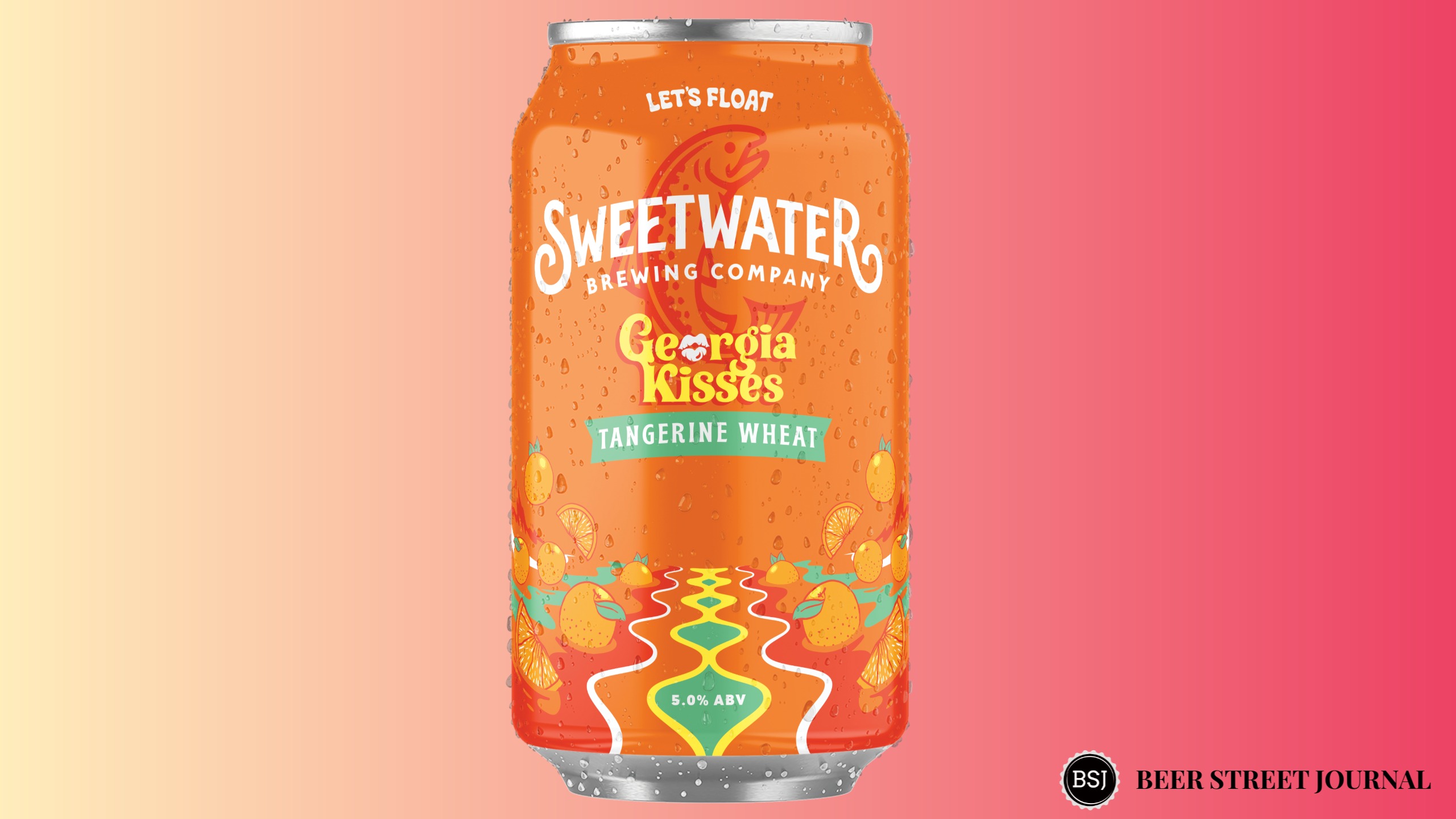
Red Brick Brewing is dropping bottles. Almost completely.
Atlanta, Georgia based Red Brick Brewing has decided to eliminate bottles completely from their lineup by the end of the year. At least, as far as they year-round and seasonals go.
In 2014, Red Brick debuted Laughing Skull Amber Ale in cans, a brewery first. The success of the switch was undeniable.
“We continue to focus on sustainability and we feel that cans are a more sustainable option. Aluminum is one of the most widely recycled consumer packages in the United States. In addition, aluminum provides our products complete protection from harmful UV light” – Garett Lockhart, President & Brewmaster
All of Red Brick’s core and seasonal releases will be available in cans by January, 2017. The brewery’s specialty Brick Mason Series will soon transition to 16 ounce cans.
Occasional brewery only releases will be available in bottles in limited quantities.
Beer & Football: Foothills partners with Wake Forest
Foothills Brewing Company (Winston-Salem, NC) has partnered with Wake Forest University. The school will soon be selling the brewery’s beer lineup at select school events.
The partnership currently spans the next two years, commencing September 1st at Wake Forest University’s first home football game versus Tulane.
“We are extremely excited to offer Foothills beer at Wake Forest Athletic events this year, I grew up in Winston-Salem and have been a Deacon fan for as long as I can remember. I look forward to sharing a pint with fans during the season this year.” – Matt Masten, co-owner, Foothills Brewing
The partnership is part of Wake Forest University’s bigger initiative called ‘Made in Winston-Salem,’ designed by the Athletic Department to showcase local businesses on campus.
Hoppyum IPA & Carolina Blonde Cream Ale will be available at home football games, with seasonal and select brands throughout the stadium. Foothills Beer will be available at basketball games this fall as well.
Craft Beer Label Design: A Beer Brand Owners Guide
With the U.S. craft beer market exceeding sales of $19.6 billion per annum (in 2014) and growing every year, craft beer is certainly a lucrative business opportunity for those with a passion for the fizzy stuff.
However, creating your own craft beer business takes a lot of thought and effort.
Not only do you need a winning beer formula (i.e. something at least comparable to the big brands in terms of sheer quality and taste), but you also need to create a brand, deal with regulatory issues and production problems, and successfully get your beer on the shelves of stores/bars/pubs.
Most craft beer entrepreneurs tend to focus on the aforementioned issues without much persuasion, but there’s one other issue that doesn’t always get the attention it deserves: the bottle label.
It might sound crazy, but your bottle label has the potential to make or break your business – it’s the number one aspect by which purchasing decisions are made.
Here’s a guide to getting craft beer labelling right:
Stand Out from The Crowd
Perhaps the most important – and often overlooked – ingredient in the perfect craft beer label recipe is the idea of uniqueness.
Not only is this important from a branding perspective (there’s no point being another “me too” brand in a super-competitive market like craft beer), but it’s also important from a visual perspective.
When customers are looking for a beer to buy in their local supermarket, they’re greeted with an abundance of choice, and they don’t have time to carefully peruse every bottle label on the shelf and make a super-informed decision.
Instead, they look at the few bottles that stand out to them.
This means that if your bottle label is similar to the rest of the beers on the shelf, it’s probably not going to get a second look.
Therefore, you need to do your research and look at the competition.
You should look at:
Color(s)
Typography
Material (e.g. paper, clear adhesive label, etc.)
Imagery
Etc.
The easiest way to do this is simply to head down to your local supermarket and look at the craft beers on the shelves.
Your aim is to notice similarities so you can then buck the trend with your craft beer label, thus allowing you to stand out from the crowd.
For example, if there are a tonne of beers with paper labels, it might be best to use a clear/wood label for your beer. If most of the labels are red, use a completely different colour.
Legalities/Requirements
Even if you hire the greatest graphic designer on the planet to design your bottle label, he/she won’t be entirely free to do whatever they want in terms of the design.
There are a number of pieces of information that must be included on any beer label, and there are also pieces of information that should be avoided.
Net contents (e.g. 1 pint – there are strict rules here)
And here are a few things that you shouldn’t include:
Flags (e.g. U.S. flag)
Coats of arms
Crests
Words such as “strong”, “full strength” or anything else that may be a statement of alcoholic content
How to Design the Perfect Craft Beer Label (INFOGRAPHIC)
Here’s a nifty infographic – created by the bottle label printing company, FastLabels – that goes into a lot more detail (and also offers some research) about craft beer label design.
Southern Tier breaks ground Pittsburgh, PA location
Southern Tier Brewing Company (Lakewood, NY) is breaking ground on their first satellite brewpub located in Pittsburgh, Pennsylvania.
The pub is located at 316 North Shore Drive, just a short walk from Heinz Field and PNC Park. The new location will feature a smaller edition of the home brewery, plus a 10,000 square foot outdoor beer garden.
The project should be completed in time to still watch a bulk of the football games in the coming NFL season, according to brewery founder Phin DeMink.
We really feel for Lost Abbey. They make a pretty amazing beer by the name of Duck Duck Gooze. It takes a full three years to produce. Because of that, there aren’t a whole lot of bottles to go around. The problem – selling them.
Lines for beer releases are time consuming and get crazy. Then there is the proxy/beer mule situation, where folks want to stack their cellars, or trade.
So.. for the one every three years release, the brewery uses their e-commerce platform, run by Nexternal. On Tuesday, the site crashed with the fans frantically clicking and refreshing the store. That… got ugly fast.
After postponing the online sale until today, Nexternal shit the bed again. The link didn’t go live on time. Guess what happened… the “fans” of the brewery turned on Lost Abbey once again. Here is a smattering of the hatred, mean comments, and entitlement that the brewery had to deal with today. They communicated every step, and apologized profusely. It fell on deaf ears.
Lost Abbey did an amazing job despite the onslaught. Wish we could buy you a beer.
Honestly, Instagram comments were even uglier. Sad world.
Update. After three site crashes, Lost Abbey has decided to cancel all the orders, and refund everyone’s money. They are going to reset over the weekend and find a strong, fair, solution.
As you can imagine, the comments just got uglier.
I’m not getting my rare beer, so I’m going destroy everything
Destihl Brewery is expanding distribution to Missouri in late July.
Currently, the brewery building a new, 47,000 square foot brewery in Normal, Illinois. The new production facility and increased fermentation capacity is allowing the brewery to go ahead an add the new market.
Destihl has signed a distribution deal with Bevolution Distribution. The Saint Louis market can expect beers from the Wild Sour Series including Here Gose Nothin’ and Counter ClockWeisse.
Additionally, beers from the brewery’s core lineup, including Weissenheimer Hefeweizen, Vertex IPA, Hoperation OverloadDouble IPA and Abbey’s Single.
Wicked Weed Coolcumber bottles debut for the first time
Wicked WeedCoolcumber, a draft offering in the past, is now available in bottles as of today.
The beer is exactly as it sounds, a golden ale brewed with cucumber. Take our word for it – it really does smell and taste like cucumber. (Plus basil and juniper berries of course.) Face it, the South is hot. This beer is like air conditioning in a glass.
Summer in Carolina is a time when days grow long, life slows down, and friends draw near. Gardens burst with brisk basil and fresh cucumbers, fireflies illuminate the night sky, and warm days leave us lounging late, our glasses brimming with golden nectar. Summer in the South is best served cool.
Wicked Weed Coolcumberis a 12 ounce bottle offering.